Pomegranate and Health: What Research + Traditional Chinese Medicine Say
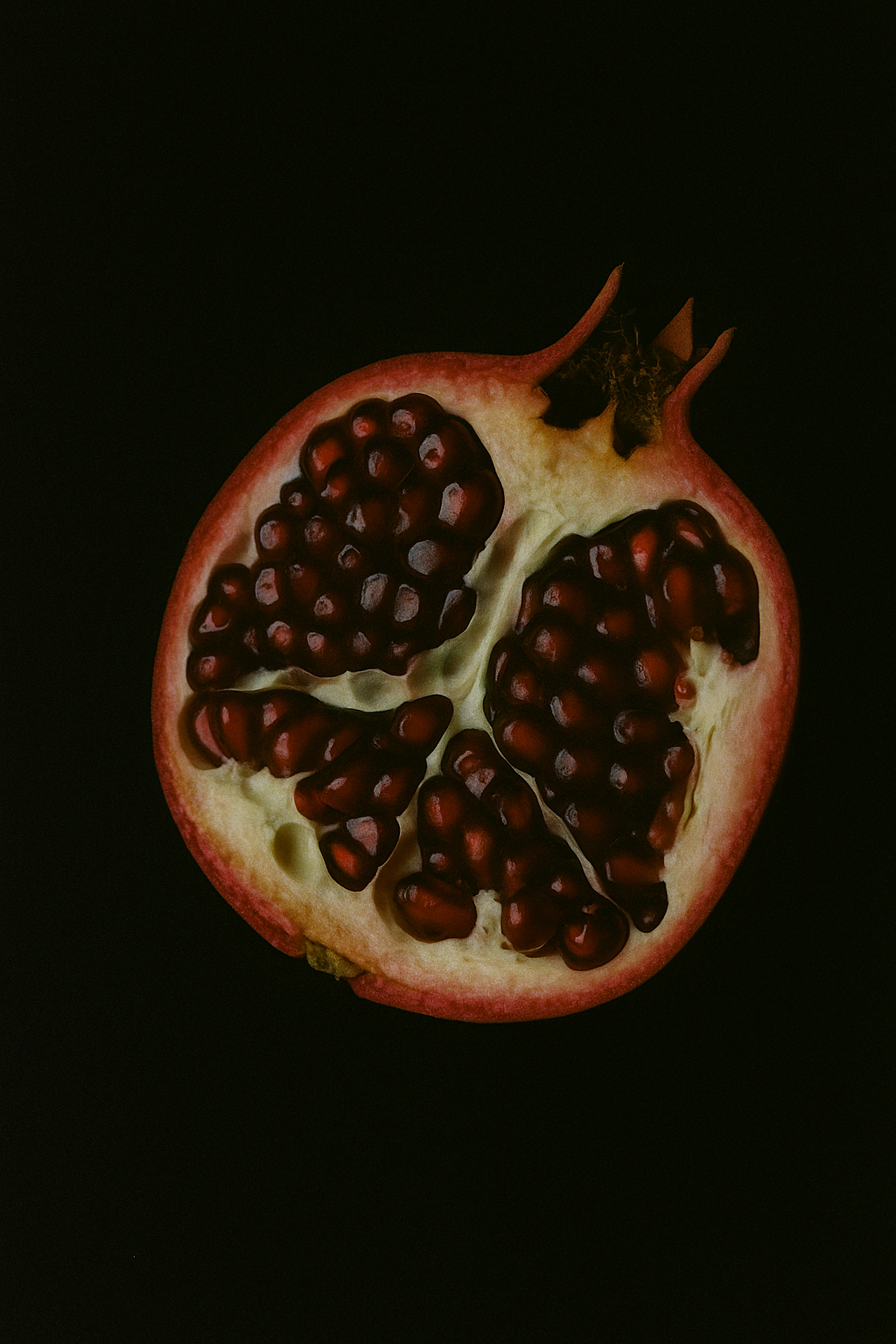
Image generated using AI.
About the Pomegranate
A native Middle Eastern fruit, the pomegranate (Punica granatum L.) is “rich in biologically active compounds with numerous health benefits” (Cordiano et al., 2024).
With its beautiful color and vibrant bite, the inside of the pomegranate is filled with arils — red, juicy pods that surround edible seeds of the fruit (Cordiano et al., 2024). Though the red pomegranate is commonly known, the appearance and flavor can vary depending on the region that it comes from (Kandylis & Kokkinomagoulos, 2020).
As one of the “oldest cultivated fruits,” it also holds deeper traditional meaning. “In many religions and cultures, pomegranate is thought to be an auspicious symbol, mostly of life, luck, abundance, and fertility” (Kandylis & Kokkinomagoulos, 2020).
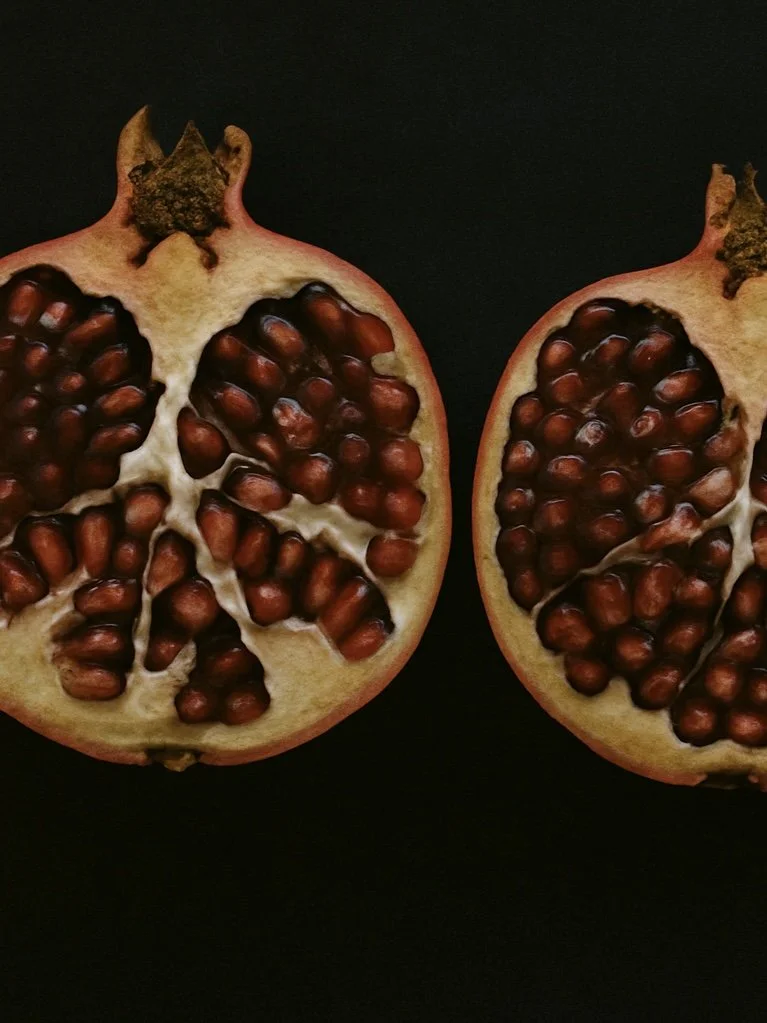
Image generated using AI.
The Pomegranate on Health
Packed with nutrients, it can be both enjoyable and good for you, as “pomegranate’s bioactive compounds have shown antioxidant, anti-inflammatory, and anticancer effects”(Cordiano et al., 2024).
This could be related to its polyphenol content (Zarfeshany et al., 2014), “the most predominant phytochemical in pomegranate” (Kandylis & Kokkinomagoulos, 2020). Of the polyphenols, ellagitannins and anthocyanins are highlighted as the primary components, “however, it has been proven that there is a synergistic effect among compounds that further increases their bioactivity” (Kandylis & Kokkinomagoulos, 2020).
The presence of bioactive compounds is attributed to how it may support the body, as it is regarded as a “rich source” and “several studies have brought up the potential contribution of pomegranate in the treatment of cancer, diabetes and heart disease” (Kandylis & Kokkinomagoulos, 2020).

Image generated using AI.
Pomegranate in Traditional Chinese Medicine
Through the lens of Traditional Chinese Medicine, the pomegranate may be used for “dryness, lack of fluids, stomach weakness, and yin deficiency.” Based on this perspective, the nature of pomegranate is considered to be neutral to warm in temperature as well as sweet and sour in flavor. Energetically, it is said to enter the stomach, spleen, and small intestine (Kastner, 2021, p. 148).
In addition to the potential health benefits discovered by modern research findings, a Traditional Chinese Medicine practitioner may recommend pomegranate for presentations that align with therapeutic properties and indications such as those mentioned above.
As written, “the concepts of Chinese nutrition, or the effects of food on our health, have a 3,000-year tradition in China. Records dating back as far as the third century BC state that there was little difference between the application of foods and that of medicine” (Kastner, 2021, p. xxi).
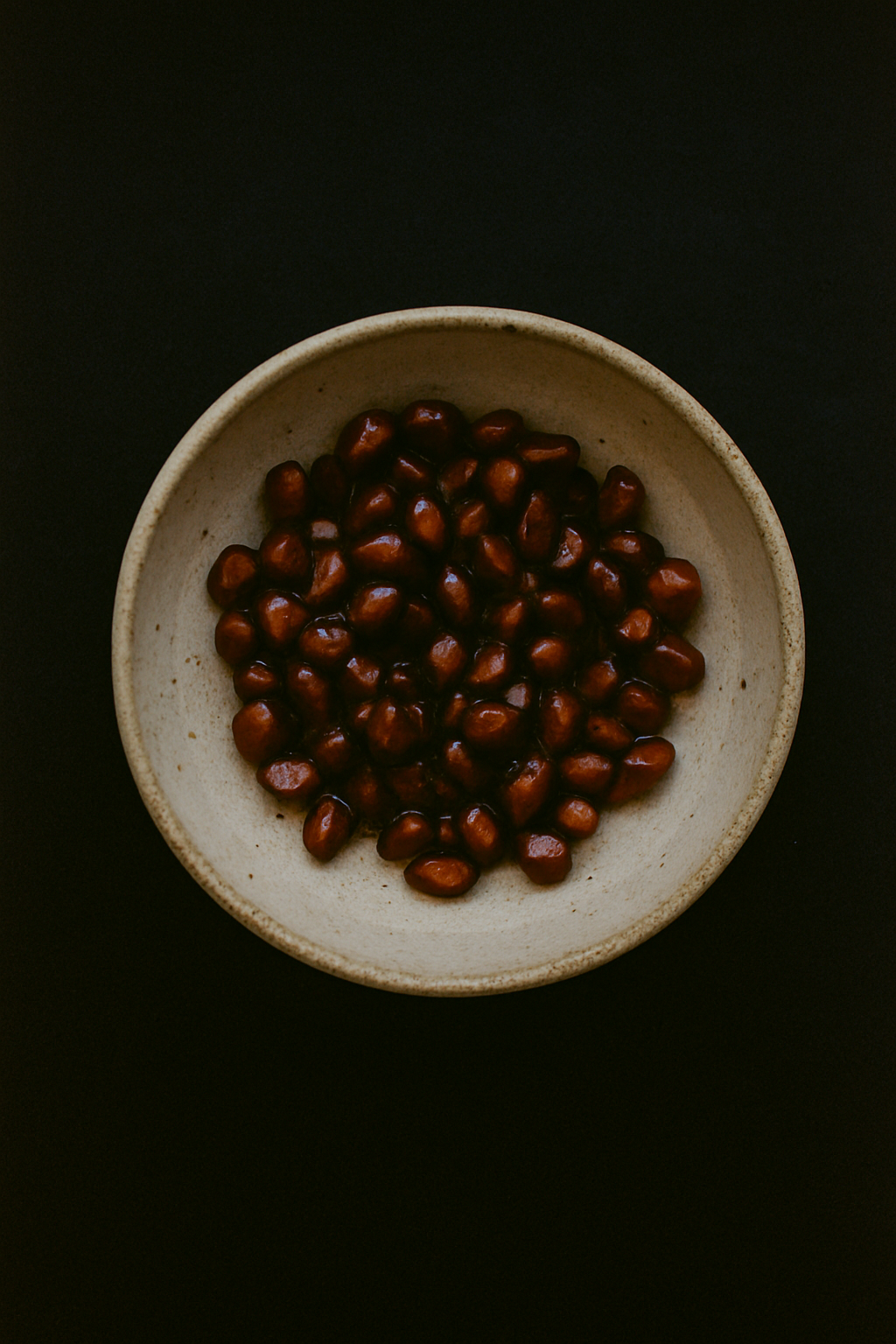
Image generated using AI.
References
Cordiano, R., Gammeri, L., Di Salvo, E., Gangemi, S., & Minciullo, P. L. (2024). Pomegranate (Punica granatum L.) Extract Effects on Inflammaging. Molecules (Basel, Switzerland), 29(17), 4174. https://doi.org/10.3390/molecules29174174
Kandylis, P., & Kokkinomagoulos, E. (2020). Food applications and potential health benefits of pomegranate and its derivatives. Foods, 9(2), 122. https://doi.org/10.3390/foods9020122
Kastner, J. (2021). Chinese nutrition therapy: Dietetics in Traditional Chinese Medicine (TCM) (3rd ed.). Thieme.
Zarfeshany, A., Asgary, S., & Javanmard, S. H. (2014). Potent health effects of pomegranate. Advanced biomedical research, 3, 100. https://doi.org/10.4103/2277-9175.129371