Goji Berries in Traditional Chinese Medicine: Gou Qi Zi Explained
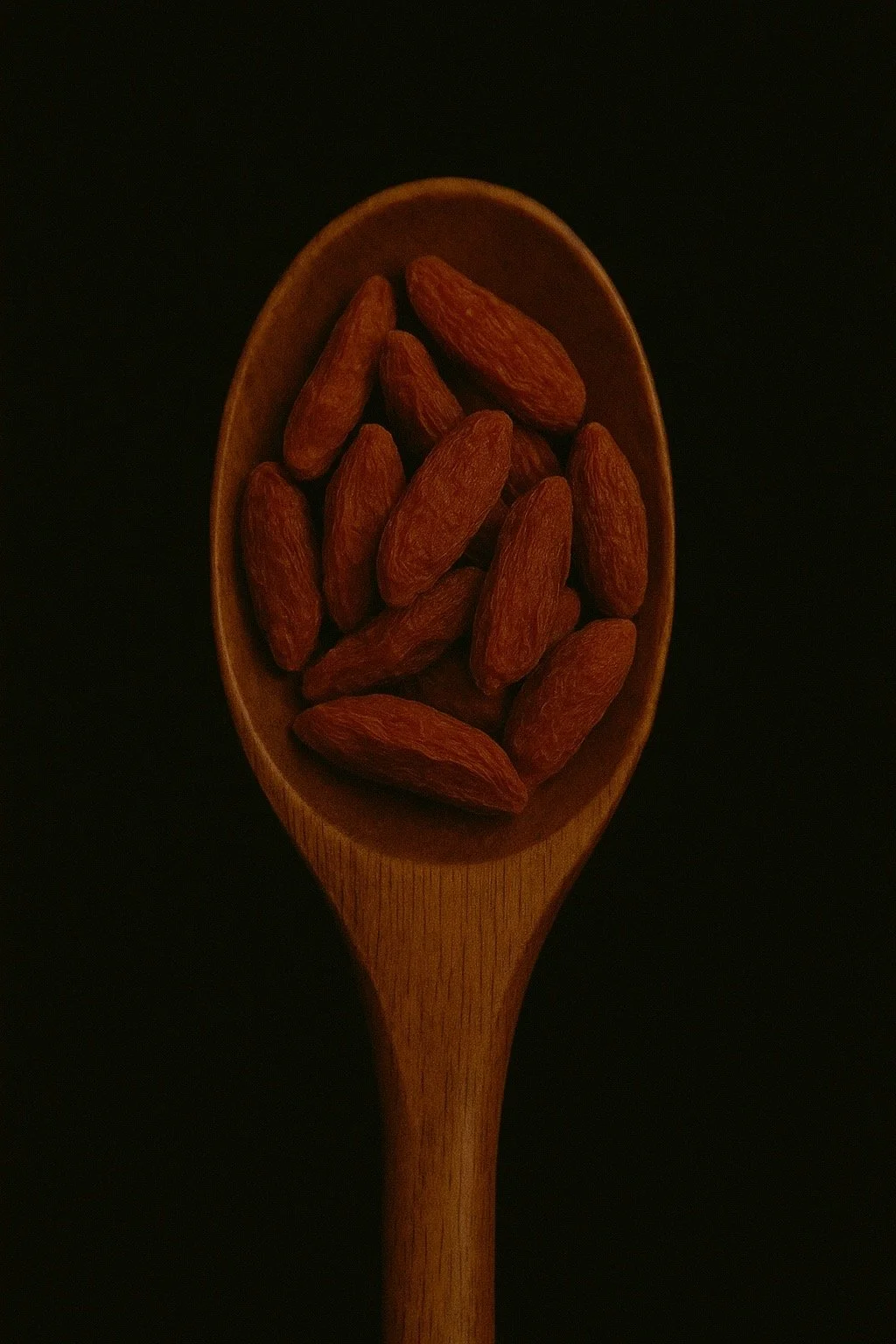
Image generated using AI.
Gou Qi Zi As An Herb
In Traditional Chinese Medicine, the goji berry (Lycii Fructus) — known as Gou Qi Zi — is part of the category of “herbs that tonify the blood,” meaning it has a nourishing quality for presentations related to a deficiency of blood. Through this lens, blood deficiency is recognized by various signs and symptoms that guide diagnosis and treatment, including the clinical use of herbal medicine. (Bensky, Clavey, & Stöger, 2015, p.743)
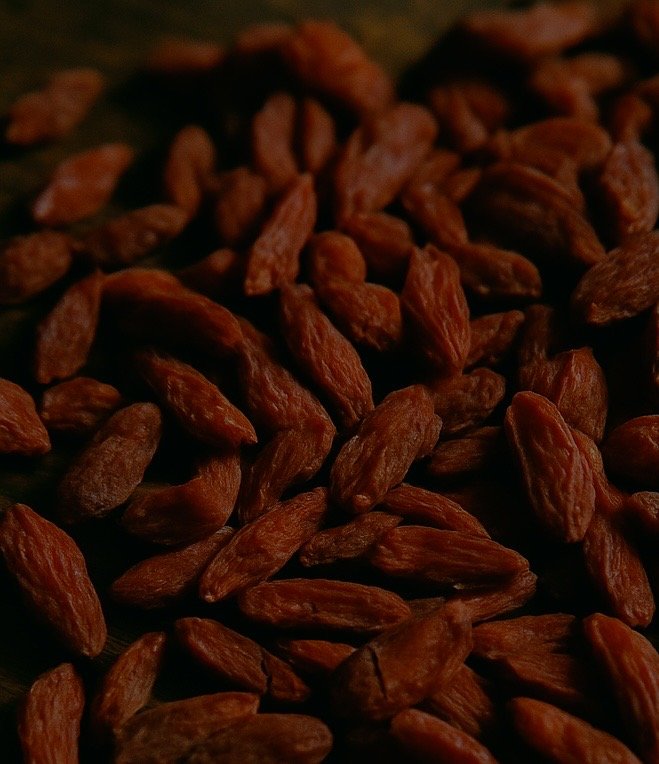
Image generated using AI.
Energetic Properties of Gou Qi Zi
Within this framework, herbs are differentiated by their energetic properties. For example, Gou Qi Zi has a neutral temperature, sweet taste, and it enters certain energetic pathways in the body, known as meridians, or channels — the Liver, Kidney, and Lung. These specific qualities are what determine its therapeutic functions, cautions, and contraindications (Bensky, Clavey, & Stöger, 2015, p.761).
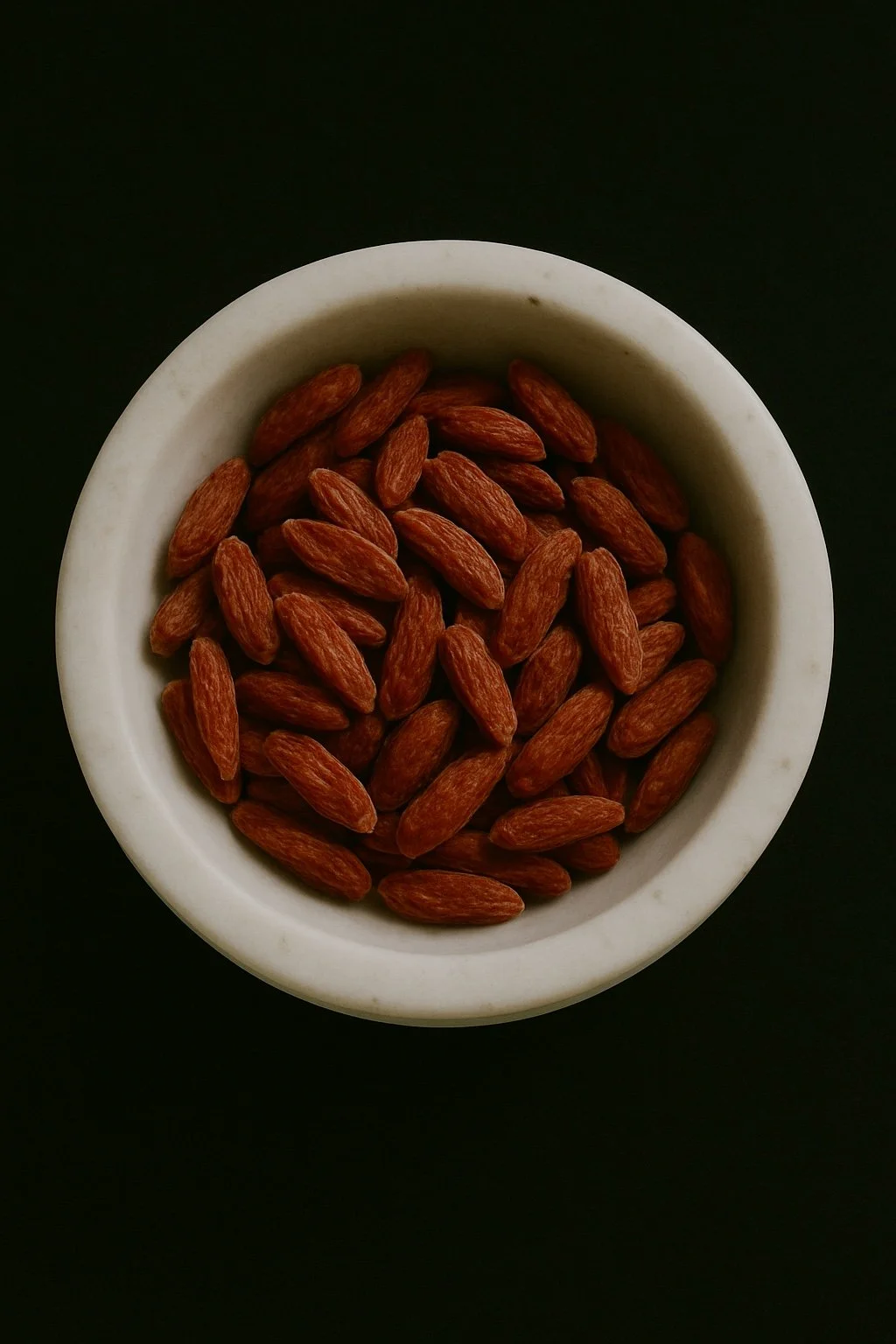
Image generated using AI.
Therapeutic Function of Gou Qi Zi
Therapeutically, Gou Qi Zi, may be used to support the body with its tonifying and moistening nature. According to Traditional Chinese Medicine, this can provide nourishment to the Liver Blood, Kidney Yin, and Lung Yin, while also brightening the eyes and subtly tonifying the Kidney Yang (Bensky, Clavey, & Stöger, 2015, p.761).
Based on published research, “the health benefits of goji berries include enhancing hemopoiesis, antiradiation, antiaging, anticancer, improvement of immunity, and antioxidation”(Ma et al., 2019).

Image generated using AI.
Gou Qi Zi Cautions + Contraindications
In Traditional Chinese Medicine, the use of gou qi zi is cautioned for patients presenting with symptoms of Spleen deficiency and dampness. (Bensky, Clavey, & Stöger, 2015, p.761) A qualified practitioner may use it with other herbs and the dosage will be modified as part of an herbal formula prescribed to you, or it can be substituted with a different blood nourishing herb if needed.
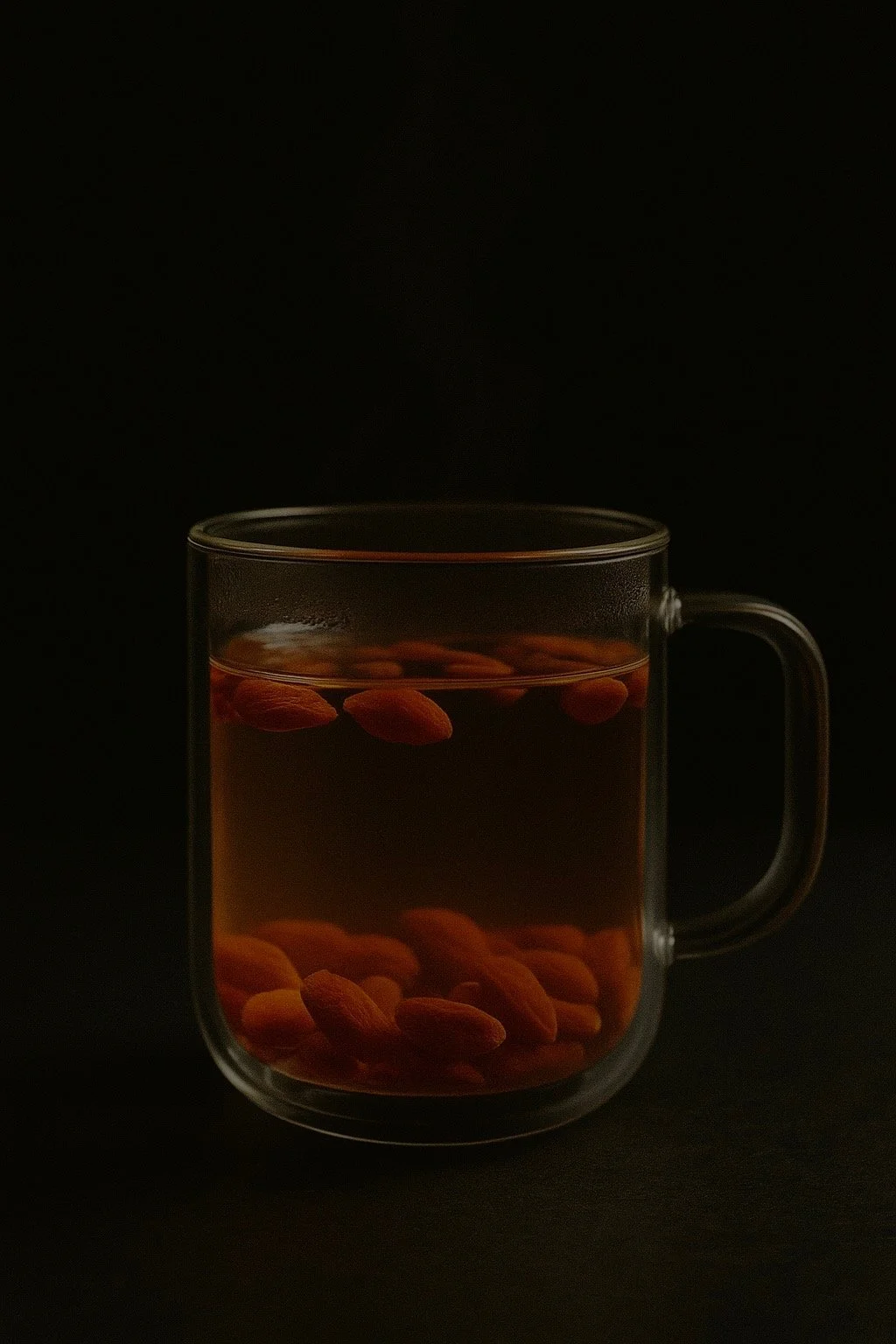
Image generated using AI.
Shop This Post:
Below are Amazon affiliate links, meaning I may earn commission if you choose to purchase through them, at no additional cost to you. Some items are general suggestions and may not be products that I personally own or use.
Dragon Herbs Heaven Mountain Goji Berries — shop here
Navitas Organic Goji Berries — shop here
Terrasoul Organic Goji Berries — shop here
Chinese Herbal Medicine: Materia Medica Textbook — shop here
Double Wall Insulated Glass Mugs Set of 2 — shop here
Double Wall Insulated Glass Mugs Set of 4 — shop here
Teabloom Stovetop Kettle and Tea Steeper — shop here
Teabloom Double Wall Insulated Glass Steeping Mug — shop here
References
Bensky, D., Clavey, S., & Stöger, E. (2015). Chinese herbal medicine: Materia medica (Portable 3rd ed.). Eastland Press.
Ma, Z. F., Zhang, H., Teh, S. S., Wang, C. W., Zhang, Y., Hayford, F., Wang, L., Ma, T., Dong, Z., Zhang, Y., & Zhu, Y. (2019). Goji Berries as a Potential Natural Antioxidant Medicine: An Insight into Their Molecular Mechanisms of Action. Oxidative medicine and cellular longevity, 2019, 2437397. https://doi.org/10.1155/2019/2437397